


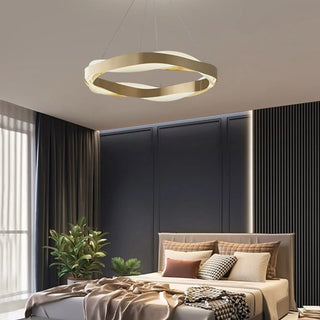
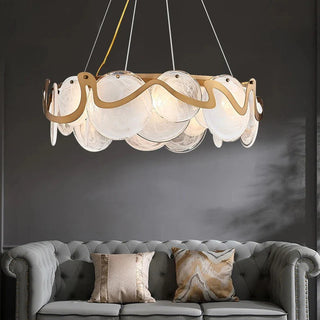

Vintage lighting works in a modern room when you treat it as the single antique note: one ornate chandelier, one restrained space, warm 2200–2700K bulbs. Get that balance right and the fixture reads as deliberate. Get it wrong and the room simply looks unfinished.
This guide covers where retro fixtures earn their place, which vintage styles sit comfortably alongside contemporary furniture, the bulb choices that make or break the effect, and the mistakes that turn an eclectic scheme into a cluttered one.
Vintage lighting has an undeniable charm that brings warmth, character, and a touch of nostalgia to modern interiors. Blending vintage luminaries with contemporary decor creates a unique aesthetic that pays homage to the past while embracing the present. In this article, we explore how to incorporate vintage lighting designs into modern spaces, focusing on ceiling chandeliers and staircase lighting as key elements that can transform your home into a stylish, eclectic haven.
1. Ceiling Chandeliers: Timeless Elegance

Vintage chandeliers are statement pieces that can instantly elevate the ambiance of any room. These fixtures, often characterized by intricate designs and luxurious materials, add a touch of grandeur and elegance to modern spaces.
Design Insight: When incorporating a vintage chandelier into a contemporary setting, consider the scale and style of the fixture. A large, ornate chandelier can serve as a stunning focal point in a minimalist room, creating a beautiful contrast. Alternatively, a smaller, more delicate chandelier can add subtle vintage charm to a modern dining room or bedroom.
Example: Hang a vintage crystal chandelier in a modern living room with clean lines and neutral colors. The chandelier's intricate details and shimmering crystals will draw the eye upward, creating a dramatic focal point that enhances the room's sophistication. Pairing the chandelier with contemporary furniture and decor ensures the space remains balanced and cohesive.
2. Staircase Lighting: Nostalgic Glamour

Staircases offer a unique opportunity to incorporate vintage lighting in a way that adds both functionality and visual interest. Vintage lighting fixtures can transform an ordinary staircase into a captivating design element.
Design Insight: Use vintage wall sconces or pendant lights along the staircase to create a warm, inviting glow. Choose fixtures that complement the overall style of your home while adding a touch of nostalgic glamour. The key is to ensure the lighting enhances the staircase without overwhelming the space.
Example: Install vintage brass wall sconces with frosted glass shades along the wall of a modern staircase. The warm, diffused light from the sconces will create an inviting atmosphere and highlight the architectural details of the staircase. For a more dramatic effect, consider a series of vintage pendant lights hung at varying heights above the staircase, creating a cascading effect that draws attention to the vertical space.
3. Harmonizing Vintage and Modern Elements

The beauty of blending vintage lighting with modern decor lies in the contrast between old and new. However, achieving a harmonious balance requires careful consideration of color, texture, and overall design.
Design Insight: To seamlessly integrate vintage lighting into a modern space, choose fixtures that share a common color palette or material with contemporary elements in the room. This approach helps create a cohesive look that feels intentional rather than eclectic.
Example: In a modern kitchen with sleek, stainless steel appliances and white cabinetry, incorporate vintage industrial-style pendant lights with metal shades. The metal shades echo the finishes of the appliances, creating a harmonious blend of vintage and modern elements. Additionally, using vintage-style filament bulbs can enhance the nostalgic feel while providing ample light for the space.
4. Creating Focal Points with Vintage Lighting

Vintage lighting fixtures often serve as conversation starters and focal points in a room. Strategically placing these fixtures can draw attention to specific areas and enhance the overall design.
Design Insight: Use vintage lighting to highlight architectural features or create a visual anchor in an open-concept space. Placing a vintage fixture in a central location ensures it becomes a key design element that ties the room together.
Example: In an open-plan living and dining area, hang a vintage chandelier above the dining table to create a central focal point. The chandelier not only provides functional lighting for dining but also adds a sense of elegance and history to the space. Complement the chandelier with modern dining chairs and a sleek table to maintain a contemporary aesthetic.
5. Choosing the Bulb: The Detail That Makes or Breaks the Look
More vintage schemes are ruined by the bulb than by the fixture. A brass chandelier fitted with cool-white lamps looks like an office fitting; the same piece with warm filament bulbs looks like it has always been there.
Colour temperature. Stay between 2200K and 2700K. Filament lamps sit at 2000–2400K, which reads as candlelight; standard warm white is 2700K. At 3000K and above the light turns clinical against aged brass and amber glass.
Brightness. An LED filament lamp sold as a 40W equivalent puts out roughly 400–470 lumens; a 60W equivalent is around 800. Eight 60W-equivalent lamps in one chandelier is roughly 6,400 lumens — far too much for a dining room. On a fixture with six or more sockets, use 40W-equivalent lamps and add a dimmer.
Clear or frosted. Open, candle-style and cage fixtures are designed to show the filament, so use clear glass. Near eye level — a stairwell landing, a low pendant over a counter — frosted glass removes the glare without losing the warmth.
Match every lamp in a fixture. Mixing colour temperatures inside one chandelier is the most visible mistake here, and the easiest to make when you replace a failed bulb from a different pack.
Dimming. Buy dimmable LED filament lamps and pair them with an LED-compatible (trailing-edge) dimmer. Older leading-edge dimmers built for incandescent loads flicker and buzz on small LED loads.
6. Which Vintage Styles Suit a Modern Interior
"Vintage" covers a century of very different design languages, and they do not all behave the same way in a contemporary room.
Art Deco (1920s–30s) is the easiest fit. Its geometry — stepped forms, fans, strong symmetry — is already close to modern design thinking, so a Deco fixture reads as sculptural rather than antique. Browse Art Deco lighting for period character without period clutter.
Mid-century (1950s–60s) sputniks, globes and slim brass stems suit almost any modern scheme, because so much contemporary design descends from them.
Industrial cage pendants and enamel shades need architectural roughness to answer — exposed brick, concrete, timber beams. In a soft, upholstered room they look severe.
Empire and classical crystal fixtures are the most demanding. They carry enormous visual weight and need a restrained room around them: plain walls, simple furniture, nothing competing. Used that way, a crystal fixture in a minimalist room is one of the strongest looks available.
A note on metals. Nothing needs to match exactly, but a finish should appear two or three times in a room to look intentional. If the chandelier is antique brass, repeat brass in a table lamp, a mirror frame or door hardware.
7. Common Mistakes When Mixing Vintage and Modern
- More than one statement piece per sightline. Two ornate fixtures visible at once compete, and both lose. Let the chandelier be the antique and keep the pendant lights over the island plain.
- Getting the scale wrong. Add the room's length and width in feet and read the total as inches of fixture diameter — a 12 ft by 14 ft room suggests roughly a 26 in chandelier. Our chandelier size guide covers drop lengths and high ceilings.
- Hanging it at the wrong height. Over a dining table, the fixture's bottom belongs 30–34 in above the tabletop; over a kitchen island, 30–36 in above the counter. In a walkway, keep 7 ft of clear headroom.
- Cool-white bulbs. Covered above, and worth repeating: it undoes everything else.
- Treating patina as damage. The uneven darkening on antique brass is the reason the piece looks old. Polishing it to a uniform shine removes the quality you paid for.
- Ignoring the wiring on genuine antiques. A salvaged fixture may still have cloth-covered wiring and no earth connection. Have it rewired and tested before it goes up.
Blending vintage and modern works when every choice is deliberate: one statement fixture per sightline, the right scale, a finish repeated two or three times, and warm 2200–2700K bulbs throughout.
Frequently Asked Questions
What colour temperature should I use with vintage-style fixtures?
Stay between 2200K and 2700K. Filament-style lamps usually sit at 2000–2400K, which reads as candlelight and flatters brass, copper and amber glass; 2700K is standard warm white and works for everything else. At 3000K and above the light turns clinical and the period effect disappears. Use identical lamps throughout a single fixture — mixing two colour temperatures in one chandelier is instantly visible.
Can I really mix vintage and modern lighting in the same room?
Yes, provided you limit yourself to one statement antique per sightline. In an open-plan living and dining space, let a vintage chandelier anchor the table and keep the pendants over the island plain. Repeat the chandelier's metal finish two or three times elsewhere — a lamp base, a mirror frame, door hardware — so the piece reads as deliberate rather than leftover.
How high should a vintage chandelier hang?
Over a dining table, the bottom of the fixture should sit 30–34 in above the tabletop; over a kitchen island, 30–36 in above the counter, which usually puts it around 72 in from the floor. Anywhere people walk underneath, keep at least 7 ft of clear headroom. On ceilings above 8 ft, add roughly 3 in of drop per additional foot of height so the fixture does not float.
What size vintage chandelier does my room need?
Add the room's length and width in feet and read the total as inches of diameter: a 12 ft by 14 ft room points to about a 26 in fixture. Over a dining table, size to the table instead — roughly one third of its length, or one half to two thirds of its width. Ornate vintage fixtures read larger than their measurements, so between two sizes take the smaller.
Do vintage-style fixtures work with LED bulbs and dimmers?
Yes. LED filament lamps reproduce the look of a visible tungsten filament and come in 2200K and 2700K, in globe, candle and squirrel-cage shapes. Buy lamps marked dimmable and pair them with an LED-compatible trailing-edge dimmer; older leading-edge dimmers flicker and buzz on small LED loads. On a chandelier with six or more sockets, choose 40W-equivalent lamps of 400–470 lumens each rather than 60W equivalents.
Still Deciding? Let Our Specialists Help
Not sure which vintage-inspired fixture fits your space? Get a free lighting project review from our design team, and we'll help you choose the right scale, finish, and placement.
Working on a trade or custom project? Request a trade quote or get a custom lighting quote.
About the author: Konstantin Khanasiuk researches and writes about lighting design trends for Mirodemi, helping homeowners and designers choose fixtures that balance style, quality, and practicality.
Not sure which fixture fits your space?
Send room size, ceiling height and a photo. Our team will suggest sizes and models that fit your project.
Not sure which fixture fits your space?
Send room size, ceiling height and a photo. Our team will suggest sizes and models that fit your project.