


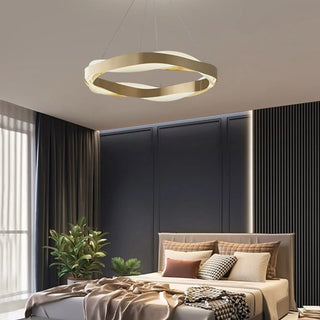
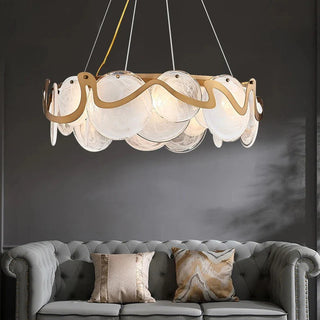

"Classic" is one of the most overused words in lighting descriptions, but a genuinely classic lamp has specific traits: traditional silhouettes borrowed from European and American design history, materials like brass, crystal, and frosted glass, and a restraint that keeps it from reading as costume-y or dated. Here is how to tell the real thing from a generic "vintage-style" label, and how to use it in a home that is not otherwise traditional.
Already know the look you want? Browse our classic lamps collection in wall, table, and chandelier styles.
What actually makes a lamp read as classic?
Classic lighting borrows from a few specific traditions rather than being a vague catch-all for "old-looking."
| Trait | What to look for |
|---|---|
| Traditional silhouette | Candle-shaped arms, urn bases, tiered or empire shades |
| Rich materials | Brass, copper, crystal, frosted or fluted glass |
| European or American design roots | Nordic-inspired wall lamps, American-style sconces, French candle chandeliers |
| Restrained ornamentation | Detail without excess, a step below full Art Deco glamour or Baroque excess |
A classic lamp is not the same as a cheap "antique-look" fixture with plastic crystal accents. The materials have to be genuine, and the silhouette has to come from an actual design lineage, not just look old.
Which rooms and fixture types suit classic lamps best?
Different classic fixture types carry different rooms well, and matching the type to the room matters more than matching a single finish throughout the house.
- Crystal or brass candle chandeliers over a dining table or kitchen island, where the traditional silhouette reads best from a distance.
- Classic wall sconces in a living room or bedroom, including bedside placement for a warmer, softer light.
- A vintage banker lamp with a glass or metal shade for a study desk or reading corner.
- Retro copper table and floor lamps with fabric shades for a living room that wants warmth without going fully traditional.
Ready to see the range? Browse classic and vintage-style lamps for living rooms, bedrooms, and studies.
How do I use a classic lamp in a home that is not otherwise traditional?
Most homes today mix eras rather than committing fully to one, and classic lighting holds up well as an accent piece.
- Let the metal finish, brass or copper, echo one other element in the room, like cabinet hardware or a mirror frame.
- Use a single classic chandelier or sconce as the traditional note in an otherwise contemporary room, rather than repeating the look throughout.
- Pair crystal or fluted glass fixtures with simpler, unadorned furniture so the lamp doesn't compete with an equally ornate room.
- Keep the bulb warm white rather than cool white. Classic materials read best under warm, ambient light.
Classic vs Art Deco vs Retro: how do I tell them apart when shopping?
These three vintage-adjacent categories get confused often, and knowing the distinction helps you shop with more precision.
| Style | Shapes | Materials | Feel |
|---|---|---|---|
| Classic | Candle arms, urn bases, tiered shades | Brass, crystal, frosted glass | Traditional, European or American heritage |
| Art Deco | Hard geometric angles, stepped tiers | Brass, chrome, cut crystal | Glamorous, symmetrical, high-polish |
| Retro | 1950s-70s silhouettes, bold shapes | Copper, colored glass, chrome | Playful, era-specific revival |
If a fixture leans heavily geometric and symmetrical, it is closer to Art Deco. If it leans playful with bold color or a specific decade's silhouette, it is closer to Retro. If it leans toward candle arms, crystal, and traditional European or American form, it is Classic.
Building your classic lighting plan step by step
Work through a room in this order.
- Choose your primary fixture type by room: chandelier for dining, sconce for living or bedroom, banker lamp for a desk.
- Pick a metal finish, brass or copper, and repeat it across every classic piece in that room.
- Match crystal or glass detail level to how ornate the rest of the room already is.
- Use warm white bulbs throughout for the most authentic look.
- Limit yourself to one strongly traditional statement piece per room so it reads as intentional, not themed.
For general chandelier sizing once you've picked a fixture, see our chandelier size guide.
Not sure which classic piece fits your room? Reach out to our team and we'll help you choose.
Ready to shop the full range? Browse classic lamps in brass, crystal, and copper finishes.
About the author
Konstantin Khanasiuk is the founder of Mirodemi and works with luxury lighting day to day, helping homeowners and designers choose fixtures rooted in a specific design tradition rather than a vague "vintage" label.
Frequently asked questions
What makes a lamp genuinely classic instead of just old-looking?
A traditional silhouette borrowed from European or American design history, brass or crystal materials, and restrained ornamentation. Plastic "antique-look" fixtures with no real material substance do not qualify.
Can I use classic lamps in a modern home?
Yes. Use one classic chandelier or sconce as an accent piece, match its metal finish to another element already in the room, and keep surrounding furniture simpler so the fixture stays the focal point.
How is a classic lamp different from Art Deco or Retro lighting?
Classic lamps favor candle-shaped arms, crystal, and traditional European or American forms. Art Deco favors hard geometric symmetry and high-polish chrome. Retro favors playful, decade-specific silhouettes like the 1950s through 70s.
What bulb temperature works best with classic fixtures?
Warm white. Cool white light tends to flatten brass and crystal detail, while warm light brings out the traditional materials the way they were designed to be seen.
Sources
Design history references: European and American traditional lighting design (candle-arm chandeliers, empire and tiered shades) Interior design guidance: distinguishing classic, Art Deco, and retro lighting styles by material and silhouette
Not sure which fixture fits your space?
Send room size, ceiling height and a photo. Our team will suggest sizes and models that fit your project.
Not sure which fixture fits your space?
Send room size, ceiling height and a photo. Our team will suggest sizes and models that fit your project.