



How Lighting Design Is Changing in 2026
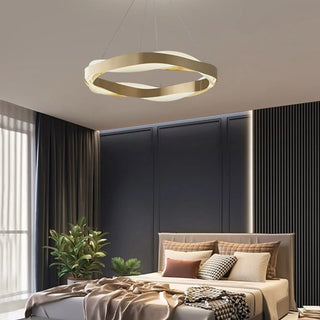
Lighting design in 2026 is evolving from a purely functional element into one of the most powerful tools in interior design. Today, lighting fixtures are treated as decorative objects that shape atmosphere, highlight architecture, and add personality to a space.
Interior designers across the United States are moving away from a single ceiling light toward layered lighting systems and sculptural fixtures made from natural materials.
Some of the most searched lighting styles today include alabaster wall sconces, Murano-style glass chandeliers, travertine pendant lights, cordless table lamps, and plug-in wall sconces. These fixtures combine aesthetic impact with practical flexibility, making them popular choices for modern homes.
Below are the most important lighting trends for 2026, based on current design directions, consumer demand, and interior design industry insights.
The Top Lighting Trends for 2026
1. Alabaster Lighting Becomes a Luxury Favorite

One of the strongest lighting trends in 2026 is the use of alabaster, a natural stone known for its beautiful translucent properties.
Unlike artificial diffusers, alabaster softly filters light, creating a warm and elegant glow. Each piece of stone has unique natural veining, which means every fixture is slightly different.
Interior designers increasingly choose alabaster lighting for:
The material pairs particularly well with brass, bronze, and brushed nickel finishes, creating a sophisticated yet natural look that works in both modern and classic interiors.
2. Murano-Inspired Glass Chandeliers Return

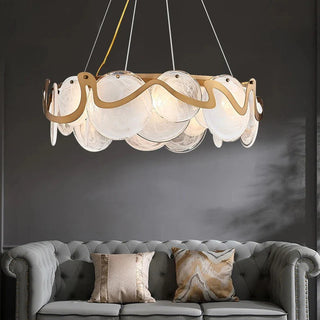
Handcrafted glass lighting is experiencing a major revival, particularly Murano-inspired chandeliers.
These fixtures often feature layered glass discs, petals, or prisms arranged in sculptural compositions. The result is a chandelier that feels both artistic and architectural.
Popular variations include:
Designers frequently install these chandeliers in dining rooms, entryways, and living rooms where the lighting fixture acts as a visual centerpiece.
The renewed interest in glass lighting reflects a broader trend toward craftsmanship and decorative lighting.
3. Travertine and Natural Stone Lighting

Natural materials continue to dominate interior design, and lighting is no exception.
Travertine lighting has become particularly popular due to its warm tone and subtle texture. The porous structure of travertine softly diffuses light, creating a calm and inviting atmosphere.
Stone lighting is especially effective in interiors inspired by:
-
organic modern design
-
Mediterranean interiors
-
spa-inspired bathrooms
-
contemporary kitchens
Travertine pendant lights above kitchen islands and dining tables have become one of the most recognizable design elements in modern interiors.
4. Sculptural and Handmade Lighting

Lighting in 2026 increasingly blurs the line between functional object and sculpture.
Handcrafted fixtures made from plaster, ceramic, clay, and textured finishes are gaining popularity among designers who want interiors to feel more personal and artistic.
This trend is closely connected to the Wabi Sabi design philosophy, which embraces natural materials, imperfect forms, and handmade aesthetics.
Instead of symmetrical or perfectly polished fixtures, designers are choosing lighting that feels organic and expressive.
These sculptural lights are often used as accent pieces in minimalist spaces where each object plays an important visual role.
5. Layered Lighting Replaces the “Big Light”

One of the biggest shifts in residential lighting design is the move toward layered lighting.
Instead of relying on one central ceiling light, designers combine several types of lighting to create depth and flexibility.
A layered lighting plan typically includes:
Ambient lighting
General lighting such as chandeliers or ceiling fixtures.
Task lighting
Focused lighting used for reading, cooking, or working.
Accent lighting
Decorative lighting such as wall sconces, picture lights, or small lamps.
Layered lighting creates a more comfortable and visually interesting environment. It also allows homeowners to adjust the atmosphere depending on the time of day.
Homes that rely only on recessed ceiling lights often feel flat and overly bright, while layered lighting adds warmth and dimension.
6. Cordless and Rechargeable Lamps

Portable lighting is one of the fastest-growing categories in home lighting.
Cordless table lamps and rechargeable lights allow users to place lighting anywhere without wiring or electrical installation.
Modern cordless lamps now offer features such as:
-
dimmable light levels
-
USB charging
-
battery life of up to 30 hours
-
indoor and outdoor use
These lamps are especially popular in restaurants, patios, bedside tables, and small apartments where flexibility is important.
The rise of cordless lighting reflects a broader shift toward convenience and adaptable interiors.
7. Plug-In Wall Sconces for Flexible Interiors

Plug-in wall sconces have become a favorite solution for renters and homeowners who want stylish lighting without electrical work.
Unlike traditional hardwired fixtures, plug-in sconces mount on the wall but connect to a standard outlet.
Their advantages include:
-
easy installation
-
no electrician required
-
renter-friendly design
-
flexible placement
Designers often install plug-in sconces beside beds, in reading corners, or in small entryways where additional lighting is needed.
8. Natural Fibers and Soft Diffused Lighting

Another important trend is the growing popularity of soft, natural materials in lighting design.
Fixtures made from rattan, linen, jute, and woven fibers bring warmth and texture to interiors.
These materials are especially common in:
-
coastal interiors
-
Japandi style homes
-
Scandinavian-inspired spaces
-
relaxed modern living rooms
Large woven pendant lights and fabric lampshades create gentle diffused light that makes rooms feel calm and comfortable.
Key Lighting Design Ideas for 2026
Across all of these trends, several common themes define modern lighting design.
Lighting as decoration
Fixtures are no longer hidden. They are often the focal point of the room.
Natural materials
Stone, glass, ceramics, and woven fibers dominate new lighting collections.
Layered lighting
Multiple light sources create better atmosphere and flexibility.
Flexible installation
Cordless lamps and plug-in fixtures make lighting easier to install and rearrange.
These principles help create interiors that feel modern, warm, and thoughtfully designed.
How to Choose Lighting for a Modern Home
If you want your home to reflect current lighting trends, consider the following design tips.
- Use at least three types of lighting in every room.
- Choose one statement fixture that anchors the space.
- Add wall sconces or small lamps to create softer ambient light.
- Use warm light temperatures around 2700K for a comfortable atmosphere.
- Mix materials such as glass, stone, and metal to add depth.
These simple strategies can transform the way a room feels without requiring a full renovation.
2026 Lighting Trends at a Glance
| Trend | Best For | Explore |
|---|---|---|
| Alabaster lighting | Warm, sculptural ambient light | Alabaster lighting guide |
| Murano-inspired glass chandeliers | Statement dining and entryway pieces | Murano glass chandelier guide |
| Travertine and natural stone | Organic, textural accent lighting | Stone lighting guide |
| Layered lighting | Replacing a single overhead big light | Layered lighting guide |
| Cordless and rechargeable lamps | Flexible lighting with no rewiring | Cordless lamps guide |
| Plug-in wall sconces | Renter-friendly, no-electrician installs | Shop wall sconces |
| Sculptural and handmade lighting | Artistic, one-of-a-kind statement pieces | Shop chandeliers |
| Natural fibers and soft diffused light | Soft, cozy ambient glow | Shop table lamps |
FAQ: Lighting Trends 2026
What is the biggest lighting trend in 2026?
One of the biggest lighting trends in 2026 is layered lighting combined with sculptural fixtures made from natural materials such as alabaster, travertine, and handcrafted glass.
Are Murano glass chandeliers still popular?
Yes. Murano-inspired glass chandeliers are making a strong comeback thanks to their artistic appearance and ability to serve as statement pieces in modern interiors.
Why is alabaster lighting so popular?
Alabaster is popular because it diffuses light softly and has natural veining that makes each fixture unique. It creates a warm, luxurious atmosphere.
Are cordless lamps worth buying?
Cordless lamps are increasingly popular because they provide flexible lighting without wiring. They are especially useful for bedside tables, outdoor spaces, and apartments.
Conclusion
Lighting trends in 2026 reflect a broader shift in interior design toward warmer, more natural, and more expressive spaces.
Instead of relying on a single overhead light, modern interiors use layered lighting systems and sculptural fixtures made from materials like stone, glass, ceramics, and natural fibers.
From alabaster wall sconces and travertine pendant lights to Murano-style glass chandeliers and cordless table lamps, lighting has become one of the most powerful elements in shaping the atmosphere of a home.
Choosing the right lighting is no longer just about brightness. It is about creating mood, highlighting design, and turning everyday spaces into beautiful environments.
Still Deciding? Let Our Specialists Help
Can't decide which trend fits your home? Send us a photo, your room dimensions, or your design ideas, and our specialists will recommend fixtures that match your style and budget.
Request your free lighting project review
Working on a project? Designers and trade: request trade pricing. Want a bespoke fixture? request a custom quote.
About the author. Konstantin Khanasiuk leads lighting design at Mirodemi, where the team helps homeowners and designers translate the latest lighting trends into fixtures that fit their space, budget, and taste.
Not sure which fixture fits your space?
Send room size, ceiling height and a photo. Our team will suggest sizes and models that fit your project.
Not sure which fixture fits your space?
Send room size, ceiling height and a photo. Our team will suggest sizes and models that fit your project.