



Why Alabaster Lighting Is Trending in 2026
In 2026, interior design is moving toward natural materials, soft lighting, and sculptural forms. One material that perfectly reflects these trends is alabaster.
Alabaster lighting has become increasingly popular among interior designers because it combines luxury aesthetics with a warm, atmospheric glow. Unlike glass or synthetic diffusers, alabaster naturally filters light through the stone, creating a soft illumination that feels elegant and calming.
This trend is part of a broader shift toward interiors that emphasize texture, authenticity, and craftsmanship. Many modern homes are moving away from purely minimal spaces and instead incorporating materials with natural variation and character.
Alabaster fixtures perfectly match this design direction. Each piece of stone has unique veining, meaning that no two lights are exactly the same.
As a result, alabaster lighting is now widely used in contemporary homes, boutique hotels, and high-end residential projects.
What Makes Alabaster Unique in Lighting Design

Several characteristics make alabaster one of the most desirable materials in modern lighting.
Natural Translucency
Alabaster is a translucent stone, which means light can pass through it softly. This creates a gentle glow rather than direct brightness.
The result is lighting that feels warm and atmospheric, making it ideal for living rooms, bedrooms, and dining spaces.
Unique Natural Patterns
Every slab of alabaster contains natural veins and color variations. These patterns can range from soft white and cream tones to subtle golden textures.
Because the stone is naturally formed, each fixture becomes a unique design object.
Soft Warm Illumination
One of the main reasons designers choose alabaster is the quality of light it produces. Instead of harsh glare, alabaster diffuses light in a smooth and balanced way.
This effect works especially well with warm light temperatures around 2700K, which are commonly used in residential interiors.
Popular Alabaster Lighting Fixtures
Alabaster is used in several types of lighting fixtures, each serving a different role in interior design.
Alabaster Wall Sconces

Wall sconces are one of the most common ways to use alabaster lighting. Because sconces provide soft indirect light, alabaster enhances the effect beautifully.
Designers often install alabaster sconces in:
-
bedrooms beside the bed
-
hallways and corridors
-
bathrooms near mirrors
-
living rooms as accent lighting
These fixtures create a warm, elegant atmosphere while also acting as decorative elements on the wall.
Alabaster Pendant Lights

Pendant lights made from alabaster are frequently used above kitchen islands or dining tables.
The stone shade gently diffuses the light downward while also creating a subtle glow across the surface of the fixture itself.
This combination makes alabaster pendants ideal for spaces where both functional lighting and visual impact are important.
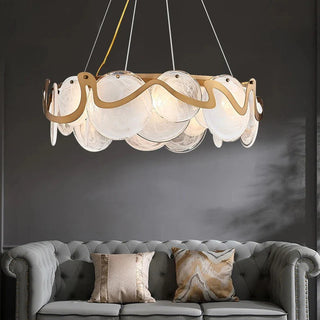
Alabaster Chandeliers

In larger interiors, alabaster chandeliers serve as statement pieces.
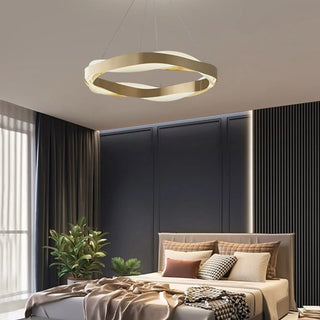
Many contemporary designs combine alabaster panels or cylinders with metal frames in finishes such as brass, bronze, or brushed nickel.
The contrast between natural stone and metal gives these fixtures a refined, architectural appearance.
Where to Use Alabaster Lighting in a Home
Alabaster lighting works best in rooms where atmosphere and comfort are priorities.
Common applications include:
Living rooms
Alabaster wall sconces or chandeliers create soft ambient lighting that complements seating areas.
Bedrooms
Bedside alabaster sconces provide warm light for reading and relaxation.
Dining rooms
Alabaster pendant lights or chandeliers create an elegant focal point above the dining table.
Bathrooms
Stone wall lights near mirrors produce flattering light that is softer than traditional vanity lighting.
Because alabaster naturally diffuses light, it helps reduce glare and create a more balanced lighting environment.
Alabaster and the “Quiet Luxury” Interior Trend

One reason alabaster lighting is trending in 2026 is its connection to the quiet luxury design movement.
Quiet luxury interiors focus on:
-
natural materials
-
subtle elegance
-
high-quality craftsmanship
-
timeless design
Instead of bold decorative statements, quiet luxury emphasizes refined materials that reveal their beauty through texture and detail.
Alabaster fits perfectly within this aesthetic. Its soft glow and natural veining create visual interest without overwhelming the space.
How to Choose High-Quality Alabaster Lighting

Not all alabaster lighting is the same. When selecting fixtures, designers usually consider several factors.
Stone quality
High-quality alabaster should have consistent thickness and natural veining without structural cracks.
Light temperature
Warm lighting between 2700K and 3000K works best with alabaster.
Metal finishes
Brass, bronze, and brushed nickel are the most popular finishes paired with alabaster.
Dimmable lighting
Dimmable fixtures allow homeowners to adjust brightness and create the perfect atmosphere.
Because alabaster is a natural material, slight variations in pattern and color are normal and often desirable.
Key Takeaways: Alabaster Lighting Trend 2026
-
Alabaster is one of the most important lighting materials in 2026.
-
The stone’s natural translucency creates a soft and elegant glow.
-
Alabaster wall sconces and pendant lights are especially popular in modern interiors.
-
Each alabaster fixture is unique due to natural veining patterns.
-
The material fits perfectly within the growing quiet luxury design trend.
Shop Alabaster Lighting by Fixture Type
Ready to bring alabaster into your home? Here is where each fixture type from above works best, and where to shop it.
| Fixture Type | Best For | Shop |
|---|---|---|
| Alabaster Wall Sconces | Hallways, bathrooms, accent walls | Shop Wall Sconces |
| Alabaster Pendant Lights | Kitchen islands, dining nooks, entryways | Shop Pendant Lighting |
| Alabaster Chandeliers | Dining rooms, foyers, living rooms | Shop Chandeliers |
Exploring other 2026 lighting trends? See our 2026 Lighting Trends overview, or check out Murano-style glass lighting and marble lighting for more natural-material trends.
FAQ: Alabaster Lighting
What is alabaster lighting?
Alabaster lighting refers to fixtures made from natural alabaster stone. The stone diffuses light softly, creating a warm and elegant illumination.
Why is alabaster popular in interior design?
Alabaster is popular because it combines natural beauty with soft lighting. Its translucent quality produces a warm glow that enhances modern interiors.
Is alabaster lighting durable?
Yes. Although alabaster is softer than some stones, properly manufactured fixtures are durable and suitable for residential use.
What color light works best with alabaster?
Most designers recommend warm light temperatures between 2700K and 3000K for alabaster lighting.
Conclusion
Alabaster lighting has become one of the defining interior design trends of 2026. With its natural translucency, unique stone patterns, and warm atmospheric glow, alabaster offers a timeless alternative to synthetic lighting materials.
From elegant wall sconces to sculptural chandeliers, alabaster fixtures bring texture, warmth, and sophistication to modern interiors.
As homeowners and designers continue to prioritize natural materials and refined design, alabaster lighting is likely to remain a key element of contemporary lighting design for years to come.
Still Deciding? Let Our Specialists Help
Not sure which alabaster fixture fits your space? Get a free lighting project review from our design team, and we'll help you choose the right size, finish, and placement.
Working on a trade or custom project? Request a trade quote or get a custom lighting quote to discuss bespoke alabaster fixtures.
About the author: Konstantin Khanasiuk researches and writes about lighting design trends for Mirodemi, helping homeowners and designers choose fixtures that balance style, quality, and practicality.
Not sure which fixture fits your space?
Send room size, ceiling height and a photo. Our team will suggest sizes and models that fit your project.
Not sure which fixture fits your space?
Send room size, ceiling height and a photo. Our team will suggest sizes and models that fit your project.