


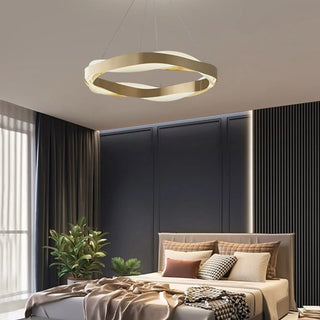
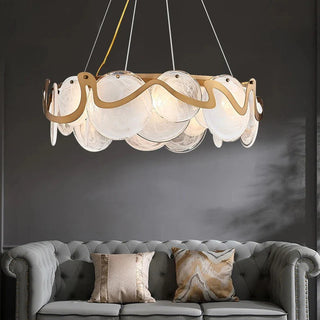

A kids' room that relies on one dim lamp leaves homework squinted over in bad light, and a room full of hanging pendants near a bunk bed is an accident waiting to happen. I light kids' rooms for three different jobs, play and homework during the day, calm wind-down in the evening, and safe, dim light overnight, while keeping anything breakable or reachable out of a child's way. Here is how bright each part of the room should be and which fixture types are actually safe to use.
Already know what you're shopping for? Here are the kids' room lighting fixtures sized for play, homework, and bedtime in safe, child-friendly styles.
How bright should a kids' room be?
A kids' room needs enough light for active play and homework during the day, then a much dimmer setting for the wind-down hour before bed.
| Time of use | Recommended total lumens |
|---|---|
| Daytime play and general use | 2,000 to 3,000 lm |
| Homework or reading desk | 300 to 400 lm at the desk surface |
| Evening wind-down | Dimmed to roughly a third of daytime level |
| Overnight night light | Low glow, well under 50 lm |
A dimmer on the main fixture does most of the work here, letting the same light cover bright daytime play and a softer evening routine without needing to swap fixtures. Keep desk or reading light separate from the room's ambient light so homework doesn't require lighting the whole room to daytime brightness.
How bright should a night light be?
Night light brightness matters more for comfort and sleep than most parents expect. Too bright and it disrupts sleep the same way a hallway light left on would. Too dim and a child can't see well enough to feel safe waking up in the dark.
A low, indirect glow works best, positioned low on the wall or near the floor rather than at eye level, so it doesn't shine directly at the child. The goal is enough light to see a clear path across the room without the brightness that keeps a child alert. If your child needs to see clearly enough to walk to the door, a plug-in or wall-mounted low-glow fixture works better than leaving a lamp on dim, which still puts out more directional light than most children need overnight.
Ready to see safe, low-glow options? Browse kids' room lighting with dimmable and night-light-friendly fixtures.
Which fixture types are actually safe for a kids' room?
Fixture choice matters as much as brightness in a room with active play, climbing, and bunk beds. Some fixture types are simply safer than others around children.
| Fixture type | Safety level | Best use |
|---|---|---|
| Flush mount or semi-flush ceiling | Safest, no reachable or breakable parts | Main ambient light, any age |
| Wall sconce (mounted high) | Safe if out of reach | Reading nooks, hallway-adjacent walls |
| Table or floor lamp | Safe with a stable base | Desk or reading light |
| Pendant light | Use with caution | Only over furniture-free space, away from beds |
Keep pendant and hanging fixtures well away from bunk beds and any furniture a child might climb on. A dangling cord or glass shade within reach turns a decorative choice into a real hazard. Flush mounts and stable table lamps remove that risk entirely, which is why they cover most of a kids' room's lighting needs on their own.
Not sure which fixtures work for your room's layout? Reach out to our team with your room layout and we'll help you put together a safe, layered plan.
For lighting an infant's room specifically, with its own brightness and placement considerations, I cover that separately in our nursery lighting guide.
Ready to shop fixtures built for active kids' rooms? Browse kids' room lighting in flush mount, sconce, and lamp styles.
What color temperature works best for a kids' room?
Color temperature affects focus during the day and sleep readiness at night, the same way it does for adults, though kids are often more sensitive to overly bright, cool light in the evening.
- Use a warm 2700K to 3000K light for evening and bedtime routines.
- A slightly cooler 3000K to 3500K light works fine for daytime play and homework, where a bit more clarity helps with focus.
- Avoid anything above 4000K in a kids' room. Cool, bluish light in the evening makes it harder for a child to wind down, the same way it does for adults, but the effect shows up faster in kids' sleep schedules.
What mistakes make kids' room lighting unsafe or ineffective?
The same handful of mistakes show up in almost every kids' room lighting plan I get asked to fix.
- A pendant or hanging fixture positioned near or above a bunk bed, within reach of a climbing child.
- A single bright overhead light with no dimmer, leaving no calm option for the wind-down hour before bed.
- A night light bright enough to disrupt sleep, mounted at eye level instead of low and indirect.
- No dedicated desk or reading light, forcing homework to happen under dim ambient light.
- Cool, high color temperature bulbs used for evening lighting, making it harder for a child to settle down.
Building your kids' room lighting plan step by step
Plan a kids' room in this order: set the ambient light and dimmer, add task light for homework, then choose a safe night light last.
- Install a dimmable flush mount or semi-flush ceiling fixture for ambient light.
- Add a stable desk or table lamp delivering 300 to 400 lumens at the work surface.
- Choose warm 2700K to 3000K bulbs for anything used in the evening.
- Add a low-glow night light positioned low on the wall, away from eye level.
- Keep any pendant or hanging fixtures away from beds and climbing furniture.
- Test the dimmed evening setting with your child before finalizing the plan, since comfort varies by age.
About the author
Konstantin Khanasiuk is the founder of Mirodemi and works with luxury lighting and furniture day to day, helping homeowners and designers size and layer light for bedrooms, kids' rooms, and living spaces. He writes from hands-on experience selecting and shipping fixtures for real rooms, not showroom mockups.
Frequently asked questions
How bright should a kids' room be? Around 2,000 to 3,000 total lumens for daytime play, dimmed to about a third of that for evening wind-down, with a separate 300 to 400 lumen desk light for homework.
How bright should a night light be? Low and indirect, well under 50 lumens, positioned low on the wall rather than at eye level so it doesn't disrupt sleep or shine directly at the child.
Are pendant lights safe in a kids' room? Only over furniture-free space, well away from beds and anything a child might climb on. Flush mounts and stable table lamps are the safer default.
What color temperature is best for a kids' room? Warm 2700K to 3000K for evenings and bedtime. Daytime play and homework can use a slightly cooler 3000K to 3500K, but avoid anything above 4000K.
Sources
Child-safe lighting guides: recommended room brightness, night light lumens, and fixture safety around beds and play areas Residential lighting guides: color temperature effects on focus and evening wind-down for children
Not sure which fixture fits your space?
Send room size, ceiling height and a photo. Our team will suggest sizes and models that fit your project.
Not sure which fixture fits your space?
Send room size, ceiling height and a photo. Our team will suggest sizes and models that fit your project.