


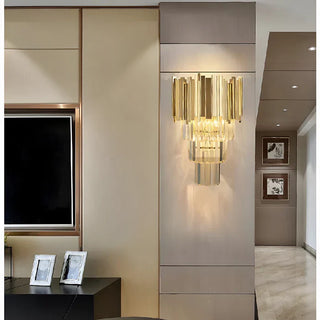
Wall lamps are more than just a source of light — they’re a stylish accent that transforms any interior. With their soft glow, sconces create a cozy, romantic atmosphere, add individuality to each room, and make the space more inviting for relaxation or socializing. In this article, we’ll share practical tips on how to choose the perfect wall lamp for different areas of your home.
Why Choose a Wall Lamp?
Wall sconces are not just decorative accents — they serve multiple purposes that make them a valuable addition to any home. From practical task lighting to creating ambiance or even zoning open spaces, these fixtures combine style with functionality.
Task Lighting. Wall lamps provide targeted illumination where it’s needed most. Above the bed, they offer comfortable light for reading; by the mirror, they create ideal conditions for grooming and makeup; near paintings or photos, they highlight details and add visual interest.
General Lighting. In narrow hallways, compact bathrooms, or rooms with low ceilings, a chandelier can overwhelm the space. Several small sconces, however, deliver sufficient brightness while fitting harmoniously into the interior.

Atmosphere Creation. While chandeliers flood a room with strong light, sconces produce a soft, diffused glow. This gentle illumination is perfect for romantic settings, relaxing evenings, or cozy conversations with friends.
Zoning Spaces. In studios and one-room apartments, wall sconces help separate functional areas. With their light, you can define sleeping and working zones, highlight a kitchen or study corner, and even disguise minor imperfections in the interior.
Outdoor Lighting. Wall-mounted fixtures are also an excellent solution for illuminating houses, patios, and garden areas, enhancing both safety and exterior design.
Choosing the Right Wall Lamp for Every Room
Each room in your home has its own purpose, and the right wall lamp can enhance both its functionality and style. When selecting a sconce, it’s important to consider the room’s size, lighting needs, and overall decor to ensure a perfect match.

Bedroom. The bedroom can be divided into functional zones such as the bedside area and a vanity or dressing table. Lighting by the bed should be soft and soothing, ideally with a diffused glow or downward direction so it doesn’t disturb a partner’s sleep. For the vanity area, the same approach applies: sconces should provide comfortable, even light without being too harsh.

Living Room. If the living room already features a chandelier, it is best to choose wall sconces that match the main fixture in style. The most common placement areas are near sofas, armchairs, or a fireplace. In this room, sconces with directional light work well, and brighter models can be selected to complement the overall illumination.

Bathroom. Wall sconces of any shape or design can work in the bathroom, but the main requirement is adequate moisture protection. Fixtures should have an IP rating of at least 4 to ensure safety and durability in a humid environment.

Hallway. Wall sconces in hallways should not protrude into the walking space, so choose fixtures with minimal depth, unless they are installed above 6.5 feet. Cool light tones work well here, and the lamp power can be kept low to provide gentle illumination without overpowering the space.

Outdoor lighting. For exterior use, only fully enclosed wall sconces are suitable, protecting the bulb and electrical parts from rain and snow. They can be installed under canopies or awnings, and should have a dust and moisture protection rating of at least IP44. For exposure to direct rain, choose models with an IP67 or IP68 rating to ensure maximum safety and durability.
Not sure which fixture fits your space?
Send room size, ceiling height and a photo. Our team will suggest sizes and models that fit your project.
Not sure which fixture fits your space?
Send room size, ceiling height and a photo. Our team will suggest sizes and models that fit your project.