


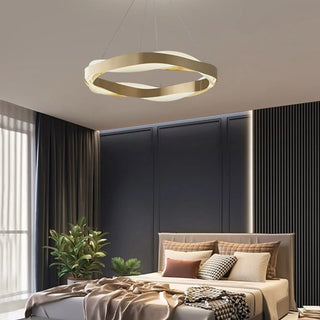
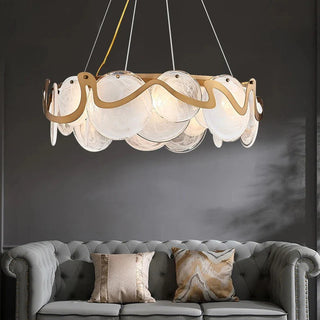

"Oriental lighting" gets used as a catch-all for anything with a lantern shape or a hint of East Asian design, which blurs a real and useful distinction. Chinese and oriental-style lighting spans traditional pieces rooted directly in Chinese craft, bamboo lanterns, royal-inspired chandeliers, marble wall lamps, and a distinct Neo-Chinese direction that reworks those same materials for a more contemporary room. Here is what actually separates the two, and how the whole category differs from Japandi.
Already know what you are shopping for? See our Chinese lighting fixtures collection in marble, copper, brass, and bamboo designs.
What defines Chinese and oriental-style lighting?
The collection centers on wall lamps in Chinese, Neo-Chinese, Japanese, and oriental styles, crafted in marble, copper, brass, iron, crystal, and bamboo, plus chandeliers such as a bamboo-and-silk drum design and Asian branch-shaped statement pieces. Traditional pieces lean into lantern silhouettes and richer materials, brass, crystal, deep wood tones, while the newer Neo-Chinese direction pares the same visual language down to cleaner lines in marble and brass.
| Direction | Look | Common materials |
|---|---|---|
| Traditional Chinese | Lantern shapes, richer detail | Brass, crystal, bamboo, silk |
| Neo-Chinese | Cleaner lines, same motifs pared back | Marble, brass |
| Modern Japanese-influenced | Simple, natural forms | Bamboo, iron |
Traditional or Neo-Chinese, which is right for a room?
Alongside traditional and royal Chinese pieces, the collection includes New Chinese, also called Neo-Chinese, marble and brass wall lamps and modern Japanese bamboo designs that fit contemporary and Japandi interiors just as well. A traditional lantern or a bamboo-and-silk chandelier, such as the Ypres Drum Japanese Chandelier, carries the most cultural weight and suits a room built around that aesthetic fully. A Neo-Chinese marble and brass wall lamp works more like a single deliberate accent in an otherwise contemporary room, which makes it the easier starting point if you want the influence without committing an entire space to it.
Ready to browse? See Chinese and oriental lighting in traditional and Neo-Chinese designs.
Which rooms does this style suit?
The collection spans wall lamps, chandeliers, and floor lamps intended for bedrooms, dining rooms, living rooms, kitchens, and bathrooms alike, with bedroom, dining room, and living room the three most represented uses. A statement chandelier such as the Zoagli Asian Style Fission Branches Shaped Chandelier works as a dining room or living room centerpiece, while a single Neo-Chinese wall lamp, such as one of the marble and brass designs, suits a bedroom or hallway as a quieter accent.
How is this different from Japandi?
Japandi blends Japanese minimalism with Scandinavian warmth, wood, marble, glass, and restraint drawn from two different design traditions folded together. Chinese and oriental-style lighting stays rooted specifically in Chinese craft and motifs, lanterns, bamboo-and-silk construction, royal-inspired detailing, even in its most modern Neo-Chinese form. The two occasionally share a material, bamboo shows up in both, but the visual language and cultural reference point are distinct. For the Scandinavian-Japanese fusion specifically, see our Japandi lighting guide.
What mistakes make this style feel like a costume rather than a room?
A few habits are behind rooms that lean on the look without the material choices to back it up.
- Mixing multiple traditional lantern pieces with no Neo-Chinese or modern anchor, which can tip a room toward theme rather than style.
- Choosing a single statement chandelier with no accent lighting to support it, leaving the rest of the room feeling disconnected from the fixture.
- Pairing rich traditional brass and crystal pieces with materials that clash, like raw industrial metal, without a transitional element between them.
- Treating Neo-Chinese and traditional Chinese as interchangeable, when the two aim for noticeably different moods.
Building your Chinese-style lighting plan step by step
Work through it in this order.
- Decide how far to lean into the aesthetic: full traditional Chinese, or a single Neo-Chinese accent in an otherwise contemporary room.
- Choose one anchor piece, a chandelier or a lantern, for the room's most visible spot.
- Add a Neo-Chinese or bamboo accessory elsewhere in the room to tie the look together without repeating the same shape.
- Match materials, brass with brass, marble with marble, rather than mixing multiple metal tones.
- Keep the rest of the room's palette simple enough that the lighting reads as the intentional focal point.
Not sure which pieces fit your space? Reach out to our team and we will help you plan it room by room.
Ready to shop the full range? Browse Chinese and oriental lighting in marble, copper, brass, and bamboo designs.
About the author
Konstantin Khanasiuk is the founder of Mirodemi and works with luxury lighting day to day, helping homeowners and designers tell traditional Chinese lighting apart from its Neo-Chinese counterpart and choose the right one for the room.
Frequently asked questions
What types of Chinese lighting fixtures does Mirodemi offer?
The collection centers on wall lamps in Chinese, Neo-Chinese, Japanese, and oriental styles, crafted in marble, copper, brass, iron, crystal, and bamboo, plus chandeliers such as a bamboo-and-silk drum design and Asian branch-shaped statement pieces.
Do you have modern as well as traditional Chinese designs?
Yes. Alongside traditional and royal Chinese pieces, the collection includes New Chinese, or Neo-Chinese, marble and brass wall lamps and modern Japanese bamboo designs that fit contemporary and Japandi interiors just as well.
Is Chinese-style lighting the same as Japandi?
No. Japandi blends Japanese minimalism with Scandinavian warmth across two design traditions. Chinese and oriental-style lighting stays rooted in Chinese craft and motifs, even in its more modern Neo-Chinese form.
Which rooms suit Chinese-style lighting best?
Bedrooms, dining rooms, and living rooms are the most common settings, though the collection also includes kitchen and bathroom-appropriate pieces. A statement chandelier suits a dining or living room centerpiece, while a single wall lamp works as a bedroom or hallway accent.
Not sure which fixture fits your space?
Send room size, ceiling height and a photo. Our team will suggest sizes and models that fit your project.
Not sure which fixture fits your space?
Send room size, ceiling height and a photo. Our team will suggest sizes and models that fit your project.