


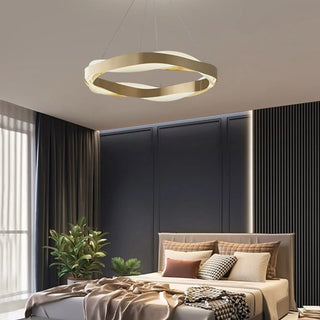
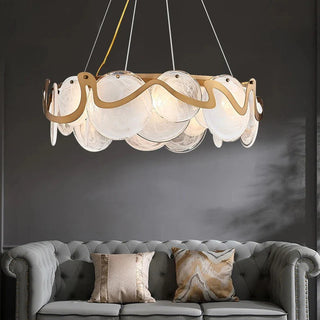

A bedroom lit by one bright ceiling fixture feels like an exam room, and one lit only by a dim lamp leaves you squinting to find a matching sock. I light every bedroom in layers, ambient, task, and accent, so the room can shift from bright and functional in the morning to soft and calming at night. Here is how many lumens a bedroom needs, how to split that light across fixtures, and what color temperature actually helps you fall asleep.
Already know what you're shopping for? Here are the bedroom light fixtures sized for ceiling, bedside, and accent placements in a range of finishes.
How many lumens does a bedroom need?
Total brightness scales with room size. A small bedroom needs far less total light than a primary suite, and lighting a small room to the same lumen count as a large one just creates glare.
| Bedroom size | Recommended total lumens |
|---|---|
| Small (under 120 sq ft) | 1,200 to 2,000 lm |
| Standard (120 to 200 sq ft) | 2,000 to 3,500 lm |
| Large or primary suite (200+ sq ft) | 3,500 to 5,000 lm |
A rough per-square-foot guideline of 10 to 20 lumens covers most bedrooms and keeps the room feeling calm rather than clinical. Multiply your room's square footage by that range to get a target, then split the total across several fixtures instead of one central light.
How do I split that light across ambient, task, and accent fixtures?
A single ceiling fixture can technically hit your lumen target, but it leaves the room flat and makes it impossible to dim things down for the evening. Splitting light into layers gives you control over the mood at any hour.
| Layer | Share of total lumens | Typical fixture |
|---|---|---|
| Ambient | 40 to 50 percent | Ceiling fixture or flush mount |
| Task | 25 to 35 percent | Bedside lamps, reading lights |
| Accent | 10 to 20 percent | Wall sconces, picture lights |
| Mood or night | 5 to 10 percent | Dimmable lamp, night light |
Ambient light should be dimmable if possible, since the same fixture that gets you dressed in the morning is too bright for winding down at night. Task lighting at the bedside matters most for reading without disturbing a partner, so aim for a focused light rather than a diffuse one.
Ready to build out a layered plan? Browse bedroom light fixtures across ceiling, bedside, and wall-mounted styles.
What color temperature is right for a bedroom?
Color temperature affects how ready your body feels for sleep, not just how a room looks. Warm light in the evening supports your natural wind-down, while cool light keeps your brain in daytime mode.
| Color temperature | Best use |
|---|---|
| 2700K (warm white) | Evening ambient and bedside light |
| 3000K (soft white) | Daytime ambient, closet, or vanity task light |
| 4000K and up (cool white) | Not recommended for bedroom fixtures |
Stick to 2700K for anything you'll use after dinner. Light in the 4000K range and higher suppresses melatonin production and makes it harder to fall asleep, even at a lower brightness. If your bedside lamps are on a dimmer, a warm bulb dimmed low does far more for winding down than a cool bulb at the same brightness.
Not sure which fixtures give you that warmth without losing daytime function? Reach out to our team with your room size and we'll help you put together a layered plan.
For the nightstands that hold your bedside lamps, I cover sizing separately in our nightstand height guide, so the lamp sits at the right height above your mattress.
Ready to shop the full layered setup? Browse bedroom light fixtures in ceiling, bedside, and accent styles.
Where should each light go?
Placement affects function as much as brightness. A ceiling fixture centered in the room handles ambient light, but bedside and accent fixtures need to land in the right spot to actually work.
- Center the ambient ceiling fixture or flush mount in the room, not over the bed specifically.
- Set bedside lamps at a height where the bottom of the shade sits at or slightly below eye level when you're sitting up in bed, typically 20 to 28 inches above the mattress surface.
- Mount wall sconces used for reading about 60 to 65 inches from the floor, close enough to the bed to actually light a book.
- Keep accent or picture lights out of your direct sightline from the pillow, so they add depth without shining in your eyes.
What mistakes make bedroom lighting feel off?
The same handful of mistakes come up in almost every bedroom lighting plan I get asked to fix.
- A single bright ceiling fixture with no dimmer, leaving the room either too bright or fully dark with nothing in between.
- Cool white bulbs (4000K or higher) used for evening lighting, which fights against natural sleep signals.
- Bedside lamps sized or placed so the light source sits at eye level, causing glare instead of usable reading light.
- No accent or mood layer, so the only options are full brightness or off.
- Wall sconces mounted too high or too far from the bed to actually help with reading.
Building your bedroom lighting plan step by step
Plan bedroom lighting in this order: set the total lumen target, split it across layers, then choose color temperature and placement last.
- Calculate your total lumen target using your room's square footage and the 10 to 20 lumens per square foot guideline.
- Split that total across ambient, task, accent, and mood layers using the percentages above.
- Choose 2700K bulbs for anything used in the evening.
- Set bedside lamp height so the shade sits at or slightly below eye level when sitting up.
- Mount any reading sconces at 60 to 65 inches from the floor, close to the bed.
- Add a dimmer to the ambient fixture if the room doesn't have one already.
About the author
Konstantin Khanasiuk is the founder of Mirodemi and works with luxury lighting and furniture day to day, helping homeowners and designers size and layer light for bedrooms, living rooms, and media spaces. He writes from hands-on experience selecting and shipping fixtures for real rooms, not showroom mockups.
Frequently asked questions
How many lumens does a bedroom need? Most bedrooms need 1,200 to 5,000 total lumens depending on size, using a rough guideline of 10 to 20 lumens per square foot split across multiple fixtures.
What color temperature is best for a bedroom? 2700K warm white for anything used in the evening. Cool white bulbs at 4000K or higher can interfere with sleep even at a lower brightness.
How high should bedside lamps sit? The bottom of the shade should land at or slightly below eye level when you're sitting up in bed, typically 20 to 28 inches above the mattress surface.
Do I need a dimmer on the main bedroom light? It helps significantly. A dimmable ambient fixture lets the same light work for getting dressed in the morning and winding down at night without needing a second fixture.
Sources
Residential lighting guides: recommended lumens per square foot for bedrooms and layered ambient, task, and accent lighting ratios Sleep and lighting research: color temperature effects on melatonin and evening wind-down
Not sure which fixture fits your space?
Send room size, ceiling height and a photo. Our team will suggest sizes and models that fit your project.
Not sure which fixture fits your space?
Send room size, ceiling height and a photo. Our team will suggest sizes and models that fit your project.