



Introduction: How to Light High Ceilings Properly
Lighting for high ceilings requires a combination of scale, layering, and strategic placement. The best solutions include chandeliers, staircase lighting, pendant fixtures, and wall sconces that fill vertical space while maintaining balance.

Without proper lighting, large spaces can feel empty or poorly illuminated. The right approach transforms high ceilings into a key design feature.
Best Types of Lighting for High Ceilings
Chandeliers

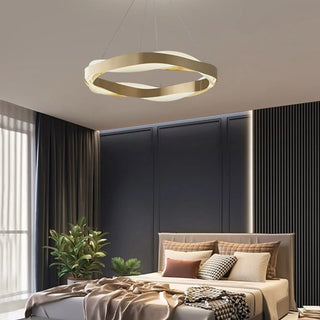
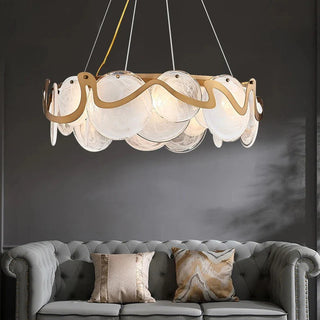
Chandeliers are the most effective lighting solution for high ceilings.
They:
-
create a strong focal point
-
fill vertical space
-
enhance the architectural scale of the room
For modern interiors, choose clean shapes, glass elements, or metal finishes.
Staircase Chandeliers

Staircase chandeliers are designed specifically for double-height spaces.
They:
-
extend vertically across multiple levels
-
highlight staircases and entryways
-
create a dramatic visual impact
These fixtures work best in foyers, villas, and open-plan homes.
Pendant Lights

Pendant lights are ideal for layering light in large spaces.
They:
-
can be grouped at different heights
-
work well over kitchen islands or stair voids
-
add flexibility to the lighting design
Clustered pendants are especially popular in 2026.
Wall Sconces

Wall sconces help balance lighting in tall rooms.
They:
-
add ambient and accent lighting
-
prevent dark vertical gaps
-
enhance walls and architectural details
They are essential for creating a complete lighting scheme.
How to Choose Lighting for High Ceilings
Focus on Scale
Lighting fixtures must match the size of the space.
-
large rooms → large or multi-tier fixtures
-
tall ceilings → vertical designs
Small fixtures will look lost and ineffective.
Use Layered Lighting
High ceilings require multiple light sources:
-
main light (chandelier)
-
secondary light (pendants)
-
accent light (wall sconces)
Layering creates depth and improves functionality.
Consider Ceiling Height
The higher the ceiling, the more vertical your lighting should be.
For very tall spaces:
-
use cascading chandeliers
-
choose elongated designs
-
avoid flat fixtures
Best Lighting Ideas for Double Height Spaces

Double-height spaces require a more strategic approach.
Best solutions include:
-
staircase chandeliers that span multiple levels
-
clusters of pendant lights
-
large statement chandeliers
-
wall sconces to balance vertical space
Combining these elements creates a cohesive and luxurious look.
Common Mistakes to Avoid
-
choosing fixtures that are too small
-
relying on a single light source
-
ignoring vertical space
-
placing lights too high without layering
-
mismatching modern and traditional styles
Avoiding these mistakes ensures a balanced and functional design.
FAQ: Lighting for High Ceilings
What is the best lighting for high ceilings?
Chandeliers and staircase lighting are the most effective, supported by pendant lights and wall sconces.
How do you light a room with very high ceilings?
Use layered lighting with a central chandelier, additional pendants, and wall lighting to fill the space.
Are pendant lights suitable for high ceilings?
Yes, especially when used in clusters or at varying heights.
Do high ceilings need more lighting?
Yes, larger spaces require more light sources to achieve proper illumination.
Key Takeaways
-
High ceilings require large-scale lighting
-
Chandeliers are the primary solution
-
Layered lighting is essential
-
Vertical designs work best
-
Balance is key to a modern look
Conclusion
Lighting for high ceilings is not just about brightness – it is about proportion, design, and creating a cohesive space. The right combination of chandeliers, pendant lights, and wall sconces transforms large rooms into visually stunning interiors.
Explore modern lighting solutions, including chandeliers, staircase chandeliers, pendant lights, and wall sconces, to create a balanced and functional design. Discover the full range of lighting at Mirodemi to find the perfect solution for high-ceiling spaces.
Not sure which fixture fits your space?
Send room size, ceiling height and a photo. Our team will suggest sizes and models that fit your project.
Not sure which fixture fits your space?
Send room size, ceiling height and a photo. Our team will suggest sizes and models that fit your project.