


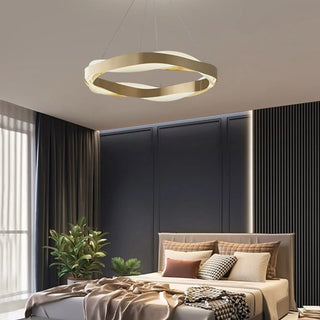
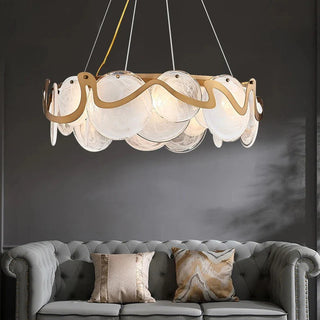

Layered lighting is one of the most important interior design principles in 2026. Instead of relying on a single light source, modern homes use multiple layers of light to create depth, functionality, and atmosphere.
This approach allows you to design spaces that are both practical and visually appealing.
The Three Types of Layered Lighting
Ambient Lighting (General Lighting)

Ambient lighting is the main source of light in a room. It provides overall illumination and sets the base level of brightness.
Common sources:
-
ceiling lights
-
chandeliers
-
recessed lighting
Task Lighting

Task lighting is focused lighting used for specific activities.
Examples:
It improves visibility and reduces eye strain.
Accent Lighting

Accent lighting is used to highlight design elements and create mood.
Examples:
-
wall sconces
-
decorative lamps
-
lighting for artwork or shelves
This layer adds depth and visual interest.
Why Layered Lighting Matters in 2026
Creates Depth and Dimension
A single light source makes a room feel flat. Layered lighting adds contrast and makes interiors feel more dynamic.
Improves Functionality
Different activities require different lighting levels. Layering allows you to adjust lighting based on your needs.
Enhances Interior Design
Lighting is no longer just functional. It is a key design element that shapes how a space looks and feels.
How to Layer Lighting in Each Room
Living Room

-
Ambient: chandelier or ceiling light
-
Task: floor or table lamps
-
Accent: wall sconces or decorative lighting
Kitchen

-
Ambient: ceiling lighting
-
Task: pendant lights over the island
-
Accent: under-cabinet lighting
Bedroom

-
Ambient: soft ceiling lighting
-
Task: bedside lamps
-
Accent: wall sconces for atmosphere
Dining Area

-
Ambient: chandelier above the table
-
Accent: additional soft lighting for ambiance
Best Lighting Combinations for Modern Interiors
Light temperature plays a key role in layered lighting:
-
warm light (2700K–3000K) → cozy and relaxing
-
neutral light (3500K–4000K) → functional and clean
In 2026, warm lighting is preferred for most living spaces.
Common Layered Lighting Mistakes
-
using only one light source
-
ignoring accent lighting
-
poor placement of fixtures
-
inconsistent light temperature
FAQ: Layered Lighting
What is layered lighting?
It is the use of multiple light sources to create balanced and functional illumination.
How many light sources should a room have?
At least 2–3 different types of lighting for proper layering.
Is layered lighting necessary?
Yes. It significantly improves both functionality and design.
Key Takeaways: Layered Lighting 2026
-
Layered lighting combines ambient, task, and accent lighting
-
It improves both aesthetics and functionality
-
Essential for modern interior design
-
Works in every room of the home
-
One of the key lighting trends in 2026
Conclusion: Designing with Light
Layered lighting transforms the way a space looks and feels. By combining different light sources, you can create interiors that are both functional and visually compelling.
Explore modern lighting solutions, including pendant lights, chandeliers, and wall sconces, to create a well-balanced lighting design in your home. Discover curated lighting collections at Mirodemi to find the perfect pieces for every layer of your space.
Not sure which fixture fits your space?
Send room size, ceiling height and a photo. Our team will suggest sizes and models that fit your project.
Not sure which fixture fits your space?
Send room size, ceiling height and a photo. Our team will suggest sizes and models that fit your project.