


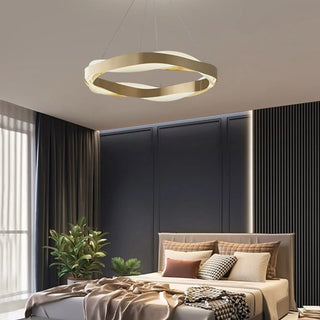
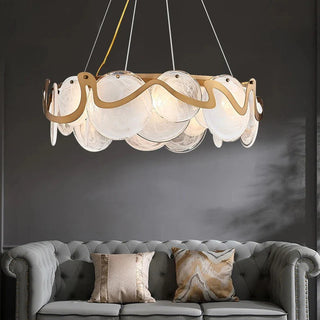

In 2026, lighting is no longer treated as a secondary element of interior design. It has become a defining architectural feature, shaping space, mood, and perception.
Designers increasingly view lighting as a sculptural, emotional, and spatial tool rather than a purely functional necessity. Below are the key lighting trends for 2026 that are shaping modern homes, luxury interiors, and contemporary architecture.
1. Sculptural Lighting as a Focal Point

One of the strongest lighting trends in 2026 is the rise of sculptural chandeliers and statement lighting. These fixtures are designed to be seen as art objects, often replacing traditional decor.
Why this trend matters:
-
Lighting becomes the visual centerpiece of the room
-
Organic and asymmetrical forms dominate
-
Handcrafted glass and custom compositions feel unique
Sculptural lighting works especially well in living rooms, entryways, and double-height spaces where visual impact is essential.
2. Organic Forms and Textured Materials
 In contrast to polished minimalism of previous years, 2026 lighting design embraces soft, tactile, and organic surfaces.
Key characteristics:
-
Matte and textured finishes
-
Stone-like, plaster, or ceramic-inspired surfaces
-
Soft diffused light that feels calm and natural
This type of lighting is especially popular in bedrooms, lounges, and wellness-focused interiors, supporting the growing demand for emotional comfort and visual warmth.
3. Linear Pendant Lighting for Modern Interiors

Linear pendant lights continue to dominate kitchen and dining spaces in 2026. However, their role has evolved from purely functional to architectural and compositional.
Why designers choose linear lighting:
-
Visually organizes space
-
Enhances symmetry and proportions
-
Works perfectly above kitchen islands and dining tables
Linear glass pendants are a core element of modern, minimalist, and contemporary interior styles.
4. Vertical Lighting and Multi-Level Compositions

High ceilings and staircases demand lighting that emphasizes vertical movement and scale. In 2026, designers rely on cascading and multi-drop pendant installations.
Defining features:
-
Different suspension heights
-
Flowing vertical rhythm
-
Dramatic yet balanced compositions
Vertical lighting transforms staircases and atriums into architectural highlights rather than transitional spaces.
5. Jewelry-Inspired Details in Lighting Design

Another defining trend of 2026 is the jewelry-like approach to lighting details. Fixtures are designed with precision, elegance, and refined proportions.
What sets this trend apart:
-
Warm metal finishes like brass and brushed gold
-
Perfectly balanced glass elements
-
Subtle luxury without visual overload
This style appeals to homeowners seeking timeless elegance rather than bold statements.
6. Lighting Designed for Everyday Scenarios

Modern lighting in 2026 is planned around how people live, not just how rooms look.
Scenario-based lighting includes:
-
Soft ambient light for evenings
-
Functional illumination for daily tasks
-
Decorative lighting for entertaining
Even architecturally structured fixtures with classic proportions are now designed to support everyday comfort through diffused light, calm composition, and visual balance.
A single fixture often supports multiple moods through thoughtful placement and light distribution.
7. Glass Lighting Returns with New Depth

Glass lighting is experiencing a renaissance in 2026, but with greater complexity and sophistication.
Current glass lighting trends:
-
Amber, smoked, and milky glass finishes
-
Layered and thick handblown glass
-
Rich reflections and depth of light
Glass is no longer just transparent; it is expressive, dimensional, and atmospheric.
Conclusion: What Defines Lighting Design in 2026

Lighting trends in 2026 reflect a deeper shift in interior design priorities. Today’s lighting is:
-
Sculptural and expressive
-
Emotionally driven rather than purely functional
-
Integrated into architecture and daily routines
-
Designed to elevate both space and experience
Modern lighting is no longer an accessory. It is an essential design language that defines how interiors feel, function, and evolve.
Not sure which fixture fits your space?
Send room size, ceiling height and a photo. Our team will suggest sizes and models that fit your project.
Not sure which fixture fits your space?
Send room size, ceiling height and a photo. Our team will suggest sizes and models that fit your project.